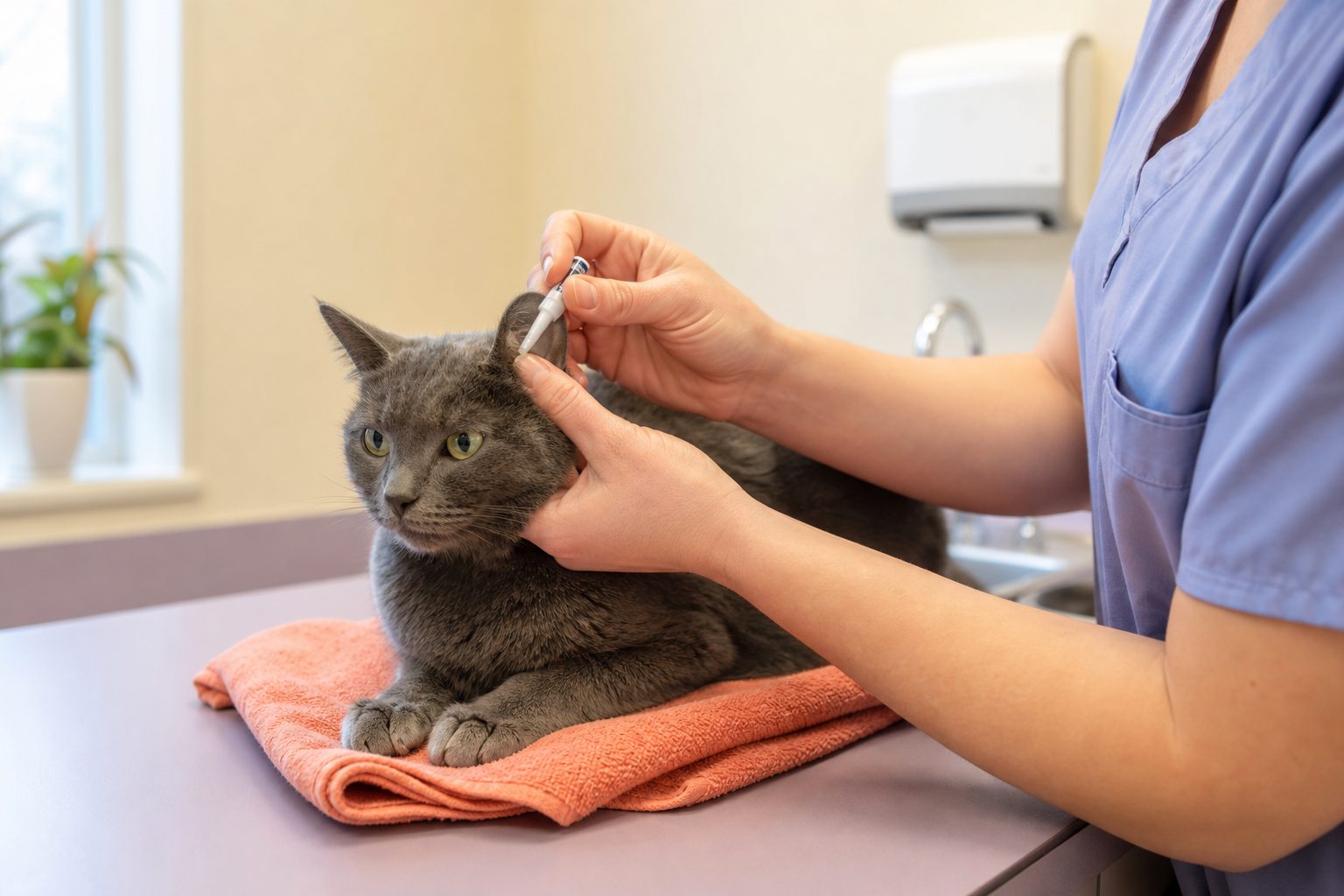
The request arrives: phone, portal, text, and walk in
The refill request can show up in more ways than ever. Some owners still call the clinic during business hours. Others use the client portal after dinner. Text messages offer a quick route for regulars who prefer to type on the go. A few clients walk in, prescription bottle in hand, asking for more of the same medication. Each channel brings its own challenges and advantages.
Phone calls allow for immediate questions but can tie up the front desk during busy times. Portal requests, whether through a dedicated app or web login, arrive with digital records but sometimes lack owner context. Texts can be short on detail, leading to back-and-forth exchanges. Walk-ins move the request physically from the client to the counter, which is clear, but the right staff may not be available to help on the spot.
No matter the channel, every request needs to be logged and routed. Some clinics stick to a refill request sheet or a shared email inbox. Others track requests in the practice management system. The first step is always to capture the request in a way that staff can follow from start to finish.
Keep reading: How to Order Compounded Thyroid Medications Under FDA GFI 256
Identity check and pulling the correct patient record
The next critical task is matching the request to the proper patient. For phone and walk-in requests, staff confirm the owner's name, the pet's name, and a unique identifier like an address or phone number. Portal and text requests can help with matching, but only if the client uses the correct login or provides the pet's details.
Mistakes at this stage lead to the wrong medication or delays. Staff are trained to confirm spelling and double-check birth dates, species, and color markings if there are pets with similar names in the database. Some clinics keep a cheat sheet of common duplicate names and the families they belong to.
Once a match is found, the staff member pulls up the electronic or paper medical record. This is where the real work begins. Every step from here depends on accurate, up-to-date information about the patient and their prescriptions.
The medical gates: last exam date, current weight, heartworm test on file
Refills cannot be approved automatically. The clinic must confirm the pet is eligible based on medical and regulatory checks. The most common "gates" are the date of the last physical exam, a current weight, and, for certain medications, a recent heartworm test.
Last exam date
Most clinics require a physical exam within the past year for ongoing prescriptions. This rule protects both the animal and the clinic's license. If the record shows the exam is overdue, staff either decline the refill or flag it for the doctor to review.
Current weight
For medications dosed by weight, outdated information can lead to underdosing or overdosing. Some clinics require a new weight every six months, especially for growing or senior pets. If the last visit was long ago, a tech may need to call the owner in for a weigh-in before the prescription can be filled.
Heartworm test and other labs
Some drugs, like heartworm preventives, require a negative test result on file within a set time frame, usually one year. The staff checks the lab results or test date in the record. If the test is missing or expired, the refill gets put on hold, and the owner may be contacted to schedule testing.
Keep reading: What the VCPR Requires Before You Authorize a Refill
Routing to the doctor and what a clean authorization looks like
Once the gates are clear, the next stop is the veterinarian's desk. Staff route the request, often through a digital task or paper slip, to the prescribing doctor. The packet includes the patient's chart, medication history, and a summary of all recent checks.
A "clean" authorization is one where all information is complete. The request includes the drug name, strength, dose, duration, refill history, and any recent lab work or weight checks. There is no guesswork for the doctor. The best-run clinics set up their workflow so the vet spends minimal time hunting for information.
A doctor may approve the refill, decline it, or leave instructions for a partial fill. If something is missing, the request may go back to the front desk for more follow-up. Some clinics use a colored folder or electronic priority flag to keep urgent refills moving.
Pulling stock, checking lot and expiration, and counting the fill
After the doctor's approval, the request goes to whoever manages inventory, usually a technician or pharmacy assistant. Their job is to locate the right medication on the shelf, check the lot number and expiration date, and count out the prescribed amount.
Stock rotation is a must. Many clinics arrange shelves so the oldest product sits in front, reducing waste. Before any medication is dispensed, the staff checks the lot and expiration on both the bottle and the box. Any product past its date is pulled from the shelf.
Counting the fill is a detail-oriented task. For tablets and capsules, the tech uses a counting tray and spatula. For liquids, they use a graduated cylinder or syringe to measure the dosage. Errors here lead to callbacks and can even risk patient safety. Clinics often have a second staff member double-check the count and documentation before moving on.
See how WhiskerRefill handles this for veterinary medicine
Label, bag, and the counseling line at handoff
With the medication ready, staff print or write a prescription label. This includes the patient's name, drug name, strength, dose, frequency, and any cautions. Some clinics add a colored sticker for special instructions, like "refrigerate" or "give with food."
The medication goes into a bag with the label facing out and any necessary leaflets inside. If the owner is waiting, staff call them up for counseling. This step covers how to give the medication, possible side effects, refill details, and what to do if a dose is missed.
The counseling handoff
Good handoff means more than reading the label aloud. Staff ask the owner to repeat back instructions. They check for allergies, confirm the pet's food and treat routines, and answer questions. If the medication is new, the clinic may schedule a follow-up call in a few days to check on progress.
For curbside pickup, counseling may happen over the phone or through the car window. Some clinics staple a summary sheet to the bag for owners who prefer written instructions.
Callbacks, partial fills, and the requests you have to decline
Not every refill request ends with a bag at the counter. Some need more information. If a pet's lab work is missing or a weight check is overdue, staff call the owner to explain what is needed. If the medication is backordered or out of stock, the clinic may offer a partial fill and note the remainder in the record.
Partial fills can frustrate owners. Staff explain the reason, document exactly what was dispensed, and set a reminder to complete the fill when more stock arrives. Some clinics keep a "pending fills" log for these cases.
When clinics must decline
Sometimes a refill must be declined outright. The pet may be overdue for an exam, have a recent change in health, or the doctor may want to see the animal before continuing medication. In these cases, the staff documents the reason, notifies the owner, and offers to schedule the necessary appointment.
All declined requests are logged. Many clinics use a separate code or note in the management system for tracking. This helps spot repeat issues and ensures nothing falls through the cracks.
Where the queue stalls and how clinics unstick it
Refill requests often pile up when a step in the process is delayed. The most common stalls happen at three points: waiting for a doctor's review, missing information from the owner, or out-of-stock medication.
Waiting for doctor review
Doctors are often in appointments or surgery when refill requests come in. Requests can sit in the queue until the vet has time to review them. Clinics address this by setting scheduled "refill blocks" in the doctor's day or using a dedicated refill hour.
Missing owner or patient information
Requests get stuck when contact details are wrong or when crucial information is missing, such as the pet's current weight. Staff often set reminders to follow up with owners. Some clinics use templated text or email requests to speed up the process.
Inventory shortages
Out-of-stock products also stall the queue. Clinics track inventory closely and may set reorder reminders based on usage trends. When a shortage occurs, staff keep owners updated and note partial fills to ensure nothing is missed when stock arrives.
When the refill queue grows too long, clinics review their process for bottlenecks. Some set daily targets for clearing requests. Others use a visible board or digital dashboard to track outstanding fills. The goal is to keep requests moving and avoid stress for both staff and clients.
Manual tracking and handoffs can slow the process and hide bottlenecks. Some clinics now use digital refill tracking and automated owner reminders to close gaps and reduce errors. Tools designed for refill management, such as those that track due dates, send owner notifications, and keep a real-time refill queue, help clinics coordinate every step and keep the line moving.