What ProHeart 6 was and why clinics liked a six month injection
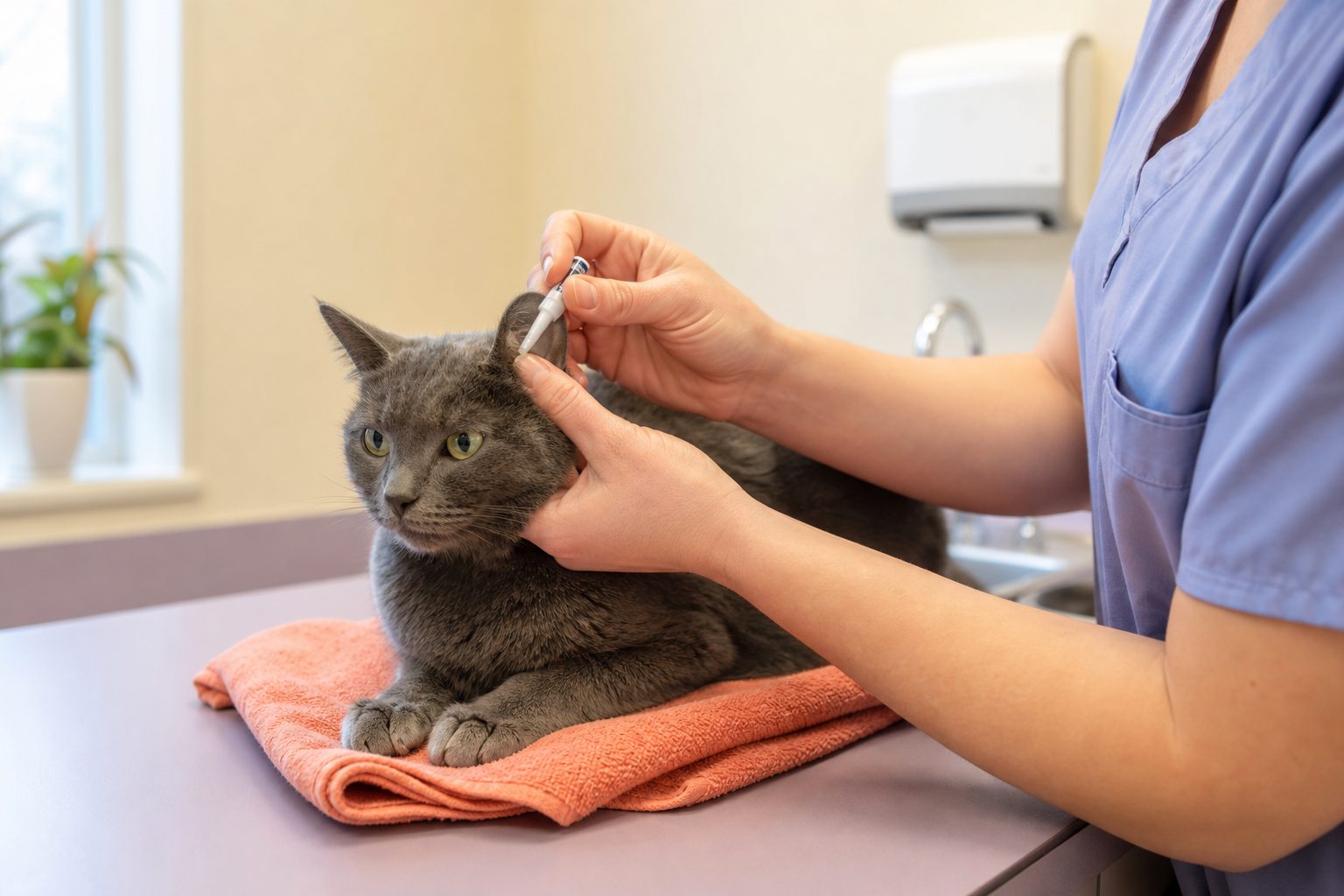
When ProHeart 6 first hit the market, it promised something new for both veterinarians and pet owners: a single injection that protected dogs against heartworm for six months. The active ingredient, moxidectin, released slowly into the bloodstream, eliminated the need for monthly pills. For many clinics, this meant fewer gaps in prevention and less dependence on owner compliance. The product cut down on missed doses and simplified the staff's workload for routine heartworm prevention.
Clinic teams liked offering a solution that covered half the year with one office visit. Staff could confirm compliance on the spot, enter the date in the medical record, and know precisely when the next dose was due. The injection reduced the risk of clients forgetting pills or refills. For high-volume practices, ProHeart 6 helped streamline the flow at the front desk and reduced the time spent on heartworm prevention counseling.
In areas with high heartworm risk, the six month duration also fit well with annual wellness protocols. Clinics could pair a ProHeart 6 injection with yearly exams or combine it with other routine vaccinations. Many practices saw improved follow through, fewer missed refills, and a reduction in heartworm positive cases traced to lapses in monthly preventives.
Keep reading: Telemedicine VCPR Laws by State and What They Mean for Refills
The 2004 voluntary withdrawal and how practices covered patients mid season
In 2004, ProHeart 6 was voluntarily withdrawn from the US market after reports of adverse reactions surfaced. Clinics received little advance notice. Many had patients mid-cycle, with injections given in spring or early summer and no remaining supply for fall boosters. Suddenly, veterinarians had to fill that gap with monthly preventives, often switching patients back to oral or topical products with different dosing schedules.
The transition put front desk staff and technicians under pressure. They fielded calls from concerned clients, explained the change, and tracked down alternative products. Many clinics contacted all owners who had received ProHeart 6, recommending a switch to another heartworm preventive before the six month window closed. The shift meant more time spent on the phone, more time reconciling inventory, and more paperwork to keep patients compliant.
Some clinics ran into supply issues as demand spiked for monthly preventives. Others saw confusion as owners mixed up dosing schedules. In practices where ProHeart 6 had been the primary option, the withdrawal forced a return to the constant reminders and follow-ups that injectables had reduced. Missed doses became a renewed concern, and tracking who was due for what product required extra vigilance.
The adverse event review that kept the product off the market
After the withdrawal, regulatory authorities and the manufacturer launched an extensive review of reported adverse events. These included both mild reactions, such as injection site swelling, and more severe cases involving allergic responses or other systemic effects. The review process took years, during which time clinics had to adjust their inventory and protocols.
The uncertainty around ProHeart 6's return meant that practices could not count on future availability. Some clinics changed their standard protocols entirely, leaning more heavily on monthly preventives, while others monitored the situation and hoped for a resolution. Staff had to answer frequent questions from clients who had previously relied on the injection and wanted to know when , or if , it would return.
The review also changed how many clinics approached new products. The experience underscored the need to keep detailed records of product lots, patient reactions, and adverse events. Clinics improved their documentation practices, both to protect patients and to comply with evolving regulatory expectations. This attention to detail became part of standard operating procedure, even for products with a long history of safety.
Keep reading: Behind the Refill Counter: Every Step From Request to Pickup
The 2008 return and the restricted distribution program attached to it
ProHeart 6 returned to the US market in 2008, but not as the same product clinics remembered. Its reintroduction came with a new, restricted distribution program. Only veterinarians who completed a manufacturer certification process could purchase and administer the product. There were new storage, handling, and administration protocols.
This restricted access reshaped how the product was stocked and dispensed. Clinics needed to review their purchasing processes and decide if they would participate in the program. Some opted out, citing the extra administrative steps, while others welcomed the return but had to train staff on new requirements. The manufacturer closely tracked distribution, and clinics had to maintain records demonstrating compliance with the program.
For practices that reintroduced ProHeart 6, the process included new documentation for each patient. The front desk and technicians had to manage additional forms and keep track of which patients were receiving the injection under the new guidelines. This added work to visits, especially during high volume months.
Certification, client consent forms, and the paperwork that came with it
The new program required veterinarians to complete a certification process before ordering ProHeart 6. This often involved online training modules and a test. Certification needed to be kept current, with periodic renewals or updated training as protocols changed. Only certified doctors could order and administer the product, so clinics had to track who was eligible on staff.
Each client whose pet received ProHeart 6 now needed to sign a consent form. The form explained the benefits and risks, including potential adverse reactions, and required owners to confirm that their dog was healthy and met the eligibility requirements. Clinics had to keep signed forms on file and present them during audits or reviews.
The volume of paperwork increased. Staff needed to ensure that consent forms, administration records, and follow up notes were properly completed for every injection. Some clinics added extra steps in their electronic medical records to flag ProHeart 6 patients and verify documentation before administration. For clinics still using paper charts, the new requirements meant a larger filing burden and an increased risk of missing paperwork.
For some practices, the paperwork and compliance tracking became a barrier to stocking the product. Others built checklists and protocols to ensure they stayed on top of the requirements. Either way, the return of ProHeart 6 made it clear that stocking an injectable preventive now involved far more than simply placing an order and administering a shot.
See how WhiskerRefill handles this for veterinary medicine
ProHeart 12 and what a longer interval changed at the front desk
When ProHeart 12, a twelve month version of the moxidectin injection, became available, it further changed how clinics managed heartworm prevention. A single annual shot could cover an entire year, aligning with most practices' wellness exam schedules. For many, this reduced the frequency of reminders and simplified compliance tracking.
The longer interval had clear advantages. The front desk could pair the injection with routine annual visits, reducing the number of calls or texts needed to remind owners about refills. Staff reported fewer missed doses and less confusion about when prevention was due. For clients with busy schedules or dogs that fought oral medications, the annual injection was an easy sell.
However, the paperwork and compliance requirements remained. Certification, consent forms, and documentation all continued, and with fewer visits per year, the margin for error on recordkeeping shrank. If a reminder was missed, a patient could go unprotected for months. The annual cycle demanded extra vigilance in tracking due dates and making sure every eligible patient received a timely injection.
Some clinics found that combining ProHeart 12 with annual vaccine reminders worked well, but only if their tracking systems were precise and up to date. For clinics relying on manual tracking or paper records, the risk of a missed or delayed injection increased. Automated systems and clear protocols made a difference in keeping compliance high.
Lessons for the next product that disappears from your shelf
The ProHeart 6 episode taught clinics several lessons that remain relevant. Any product critical to preventive care can disappear with little warning, whether from safety concerns, supply chain issues, or regulatory changes. Clinics that had diversified their heartworm prevention protocols adapted more easily than those who relied heavily on a single product.
Clear communication with clients is essential. When a product is withdrawn, staff need to identify which patients are affected, contact owners, and recommend the best alternative without delay. Relying on memory or incomplete records leads to missed refills and gaps in protection. Having a system to flag every patient on a specific preventive makes the transition easier.
Documentation is not just a regulatory requirement but a tool for continuity of care. The extra paperwork that came with ProHeart 6's return showed how quickly compliance tracking can become overwhelming, especially as requirements multiply. Practices that built strong checklists, digital reminders, and audit trails had fewer errors when the product returned under new restrictions.
Longer interval injectables, like ProHeart 12, can simplify compliance in theory, but only if reminders are accurate and tracked. Fewer visits mean fewer chances to catch missed doses. Practices that invested in robust tracking systems saw better results than those relying on manual processes or memory.
For any clinic, the sudden loss or return of a key preventive product highlights the need for precise refill tracking, reliable owner reminders, and a central record of which patients are due for what and when. Automated tools that combine refill due dates with owner notifications and an in-clinic request queue can lift some of that burden, making it less likely that a product's withdrawal will leave patients unprotected.